Owning a classic car is a rewarding experience for automotive enthusiasts. Whether you’re searching for a vintage muscle car, a restored sports car, or a timeless American cruiser, finding the right vehicle requires more than enthusiasm.
Unlike purchasing a modern vehicle, buying a classic involves unique considerations. Mechanical condition, restoration quality, documentation, and long-term ownership expenses can significantly influence whether a purchase becomes an enjoyable investment in your hobby or a costly mistake.
Before committing to your dream vehicle, understanding these seven common mistakes can help you make a more informed decision.
Mistake #1: Skipping a Thorough Pre-Purchase Inspection
A classic car may look impressive in photographs while hiding expensive mechanical or structural problems.
Fresh paint, polished chrome, and a spotless interior do not necessarily indicate that a vehicle is mechanically sound. Rust, previous collision repairs, electrical faults, and worn drivetrain components can remain unnoticed without a proper inspection.
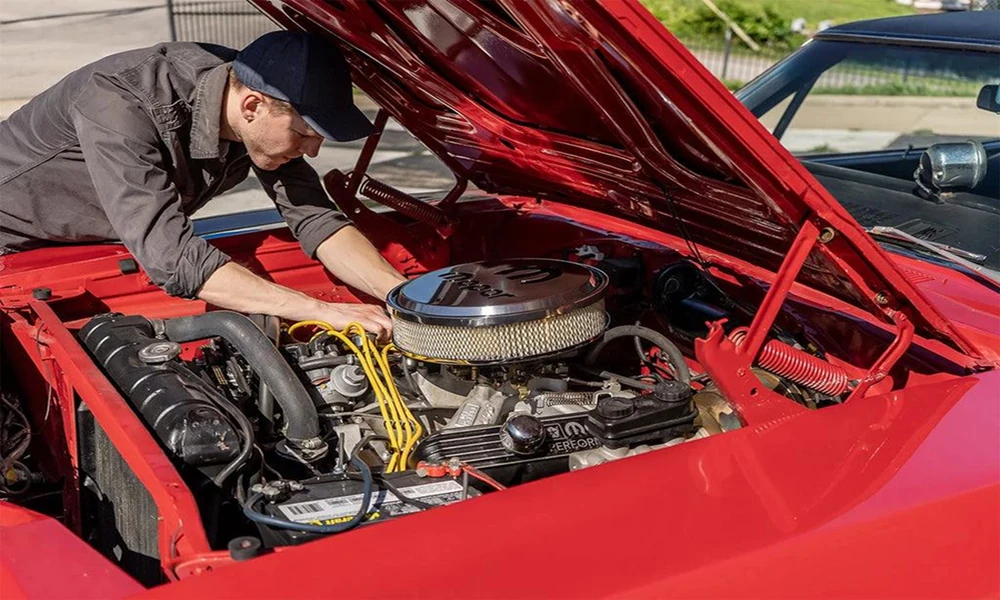
Whenever possible, hire a mechanic or specialist familiar with the specific make and model you’re considering.
A thorough inspection should examine the engine, transmission, suspension, brakes, electrical systems, frame, and bodywork. Special attention should be given to corrosion in structural areas and evidence of poorly executed repairs.
Although professional inspections involve an upfront expense, discovering significant problems before purchasing can prevent much larger costs later.
Mistake #2: Assuming Every Restored Classic Is Worth the Asking Price
The word “restored” can mean different things depending on the seller.
Some vehicles undergo comprehensive, documented restorations, while others receive cosmetic improvements that conceal unresolved mechanical problems.
Before agreeing to a price, investigate exactly what work has been completed.
Ask for restoration invoices, photographs, parts records, and information about the professionals responsible for the work. Determine whether the restoration emphasized originality, drivability, or customized modifications.
Original components, documented history, and quality workmanship may influence desirability, but their importance varies between vehicle models and collector preferences.
Compare the asking price with recent sales of similar vehicles, paying attention to condition, originality, specifications, and documented history.
A beautifully presented classic is not automatically a fairly priced classic.
Mistake #3: Ignoring Vehicle History and Ownership Documentation
A vehicle’s history can be just as important as its appearance.
Incomplete ownership records, identification inconsistencies, or unresolved title issues can complicate registration and future resale.
Before purchasing, verify that the vehicle identification information matches the available paperwork. For older vehicles, identification formats and title requirements may differ from those used for modern automobiles.
Review maintenance records, restoration documentation, previous ownership information, and any available evidence of significant repairs.
If the vehicle has been modified, investigate whether those changes affect registration, insurance, or compliance with applicable local requirements.
For interstate purchases, confirm the title-transfer process with the relevant motor vehicle authority.
Resolving documentation questions before payment is much easier than addressing unexpected ownership disputes afterward.
Mistake #4: Looking Only at the Purchase Price
One of the most common mistakes among first-time classic car buyers is focusing entirely on the advertised price.
The actual financial commitment includes considerably more than the amount paid to the seller.
Transportation, taxes, registration, insurance, storage, maintenance, and unexpected repairs should all be considered when establishing a realistic budget.
Financing arrangements also deserve careful evaluation.
Unlike standard vehicle financing, specialized loans for classic cars may offer loan structures designed around collector vehicles, making it worthwhile to compare eligibility requirements, repayment terms, interest rates, and total borrowing costs before purchasing.
A longer repayment period may reduce monthly payments while increasing the total interest paid, depending on the rate and other loan conditions.
Buyers should calculate the complete ownership budget rather than choosing a vehicle solely because its monthly payment seems manageable.
Maintaining a separate reserve for repairs and unexpected expenses can also make ownership less financially stressful.
Mistake #5: Underestimating Maintenance and Replacement Parts
Classic vehicles require a different maintenance approach from most modern cars.
Older components may need more frequent attention, and sourcing replacement parts can become complicated when original equipment is no longer widely available.
Before purchasing, investigate the availability of mechanical, electrical, interior, and body components.
Popular collector models may benefit from established parts suppliers and specialist workshops. Rarer vehicles, however, can require custom fabrication or extended searches for appropriate replacement components.
Consider whether qualified mechanics are available near your location.
If a vehicle requires specialized equipment or uncommon expertise, routine maintenance may involve additional transportation costs and scheduling challenges.
Understanding these limitations before buying allows you to select a vehicle that fits your technical knowledge, available resources, and maintenance budget.
Mistake #6: Overlooking Insurance and Storage Requirements
Protecting a classic vehicle involves more than obtaining a standard insurance policy.
Some owners consider agreed-value insurance, which establishes a covered vehicle value with the insurer, subject to policy conditions. However, coverage limits, usage restrictions, deductibles, and eligibility requirements can vary considerably.
Discuss the vehicle’s intended use with an insurance professional before purchasing.
Storage conditions also matter.
Prolonged exposure to moisture, direct sunlight, and significant temperature fluctuations can contribute to deterioration of paint, upholstery, rubber components, and metal surfaces.
A secure, dry storage environment can help preserve a classic vehicle’s condition.
Buyers without suitable storage should include the cost of renting appropriate space in their ownership calculations.
Mistake #7: Rushing the Purchase Because of Emotional Attachment
Classic cars often carry strong emotional appeal.
A particular model may remind someone of a childhood experience, a family vehicle, or a long-standing personal ambition.
That connection can make it tempting to overlook warning signs.
However, purchasing decisions based primarily on excitement may lead buyers to accept questionable paperwork, inadequate inspections, or unreasonable prices.
Establish your requirements before beginning the search.
Identify your preferred models, acceptable condition, maximum budget, and intended use. Decide which imperfections you’re comfortable addressing and which problems would justify walking away.
Give yourself enough time to verify the seller’s claims and evaluate alternatives.
There will always be another interesting vehicle, but recovering from a poorly researched purchase can be difficult and expensive.
Conclusion
Buying a classic car should be an enjoyable experience built on informed decisions rather than unnecessary financial or mechanical surprises.
By inspecting vehicles carefully, verifying documentation, researching market prices, and accounting for ownership expenses, buyers can approach the process with greater confidence.
The most satisfying classic car purchase is not necessarily the rarest model or the lowest-priced example. It is the vehicle that matches your expectations, financial circumstances, and ability to maintain it.
Careful preparation helps ensure that the excitement of ownership continues long after the initial purchase.